
 English











Growing Without Increasing Headcount – Overcoming ‘Operational Bottlenecks’ in the Digital Era
March 5, 2026
Tăng trưởng dựa vào cá nhân – Giới hạn vô hình của SME
March 6, 2026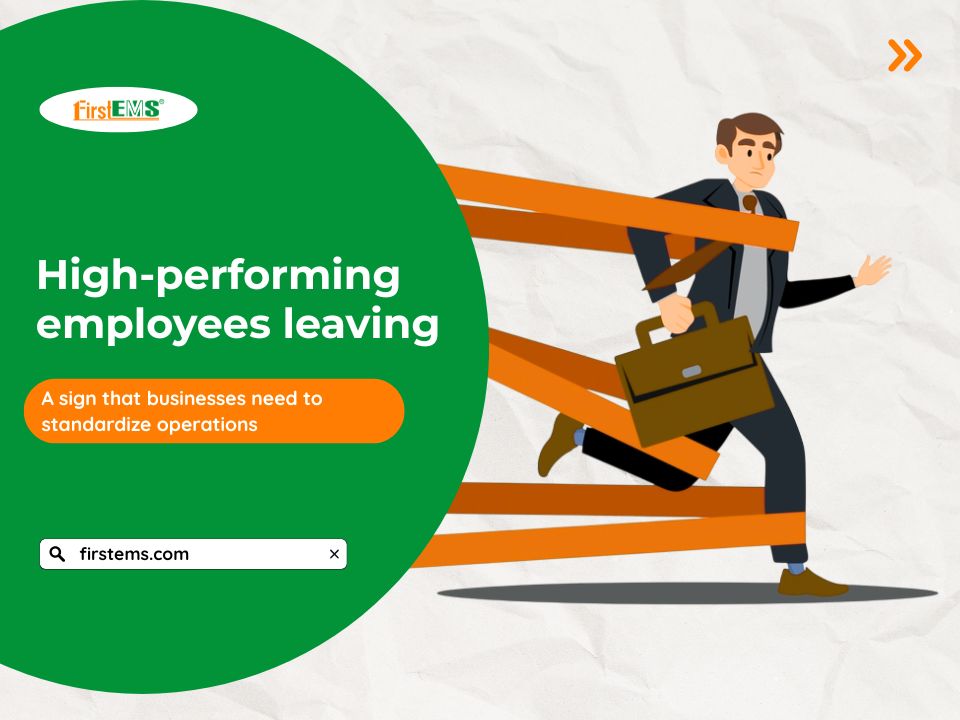
Over the past few years, the departure of high-performing employees has become increasingly common, especially in small and medium-sized enterprises. Most reasons are typically attributed to factors such as compensation, the work environment, or competition for talent from larger corporations.
However, in many cases, high-performing employees leaving is not simply about external factors. Reality shows that these factors are merely the surface. The core reason why high-performing employees do not stay long-term often stems from how a business organizes and operates its internal systems.
1. Core cause: Operations are not yet standardized
When a business operates primarily based on individual experience and situational flexibility, the system may 'work' in the early stages. But as the scale expands, operational limitations begin to surface and directly impact top talent.
1.1. Unstable operations pull high-performers away from their professional value
In many businesses, high performers often have to handle manual, ad hoc, or non-standardized tasks. These tasks do not require high expertise but consume significant time, making it difficult for them to focus on work that creates real value for the company.
Over time, the system itself erodes their motivation and enthusiasm for the job.

1.2. Lack of data makes employee contributions difficult to measure
An incomplete operational system is often accompanied by a lack of management data. Work performance is evaluated based on perception, progress is tracked manually, and individual results are difficult to link to the business's overall goals.
In this situation, high-performing employees struggle to answer basic questions: how well they are doing, what impact their contributions are making, and what they need to improve to continue developing.
For high-performers, not seeing their value reflected through the system is a major barrier. When all efforts become ambiguous, the motivation to stay diminishes.
1.3. Dependence on individuals increases pressure on high-performers
In many organizations, high-performers gradually become 'operational pillars.' They hold a wealth of information, handle numerous tasks, and are expected to resolve emerging issues.
The issue is not one of trust, but that the business has not built a system strong enough to reduce dependence on individuals. As they perform better, they are assigned more work, and high-performers soon realize that the risks and pressures of the system are being shifted onto them.

1.4. Micromanagement - a consequence of a weak operational system
Many businesses believe that high-performers leave because they are managed too strictly. However, micromanagement is usually not the root cause, but a consequence of lacking tools, data, and clear processes.
When work cannot be controlled by a system, leadership is forced to intervene deeply to ensure progress. In such an environment, high-performers lack the space to proactively make decisions or develop management capabilities.
2. Signs that a business needs to review its operations
Some common signs that a business is facing operational issues include:
- Processes change constantly but are not standardized
- Work depends on a few key individuals
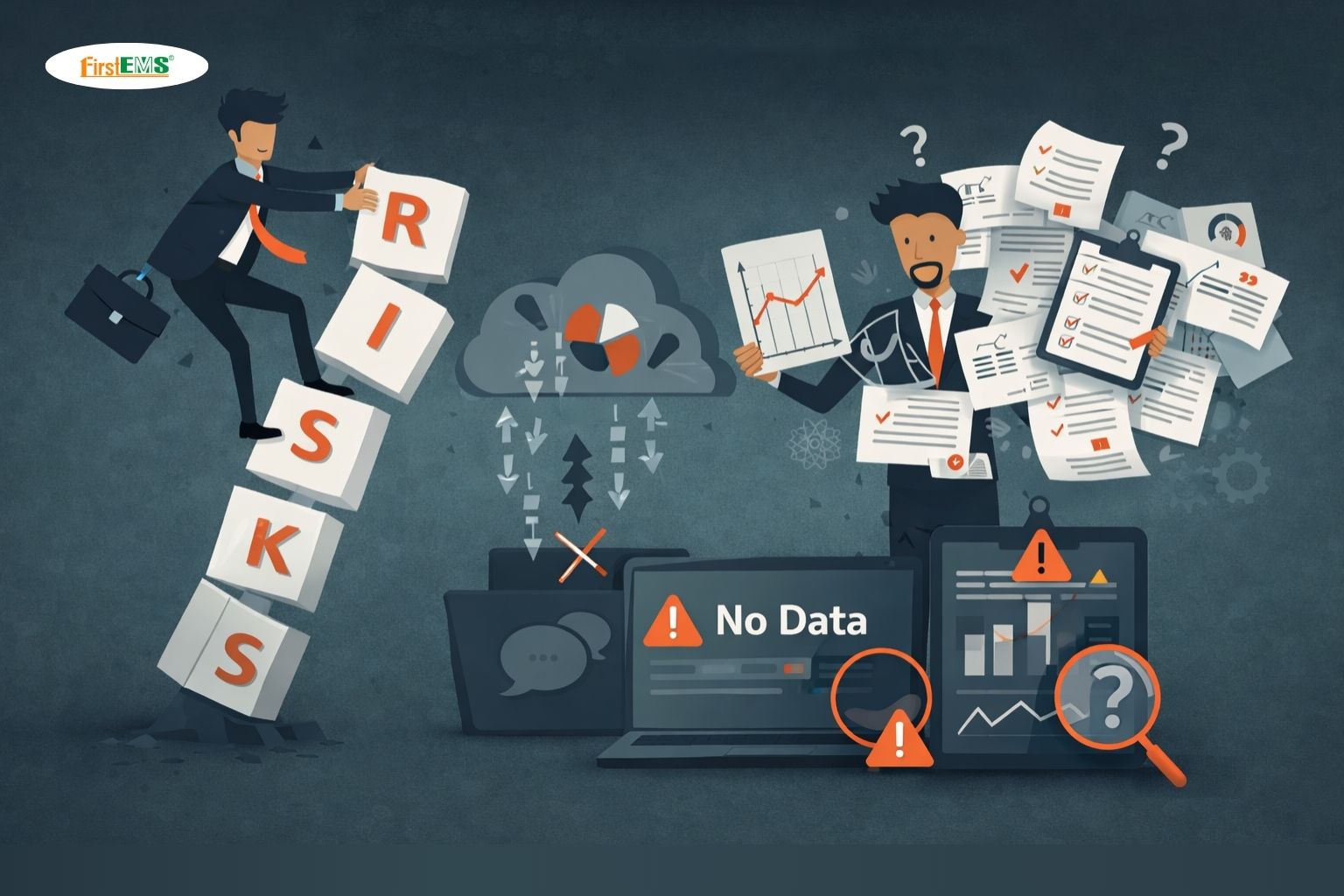
- Performance is difficult to measure and lacks consolidated data
When these signs appear simultaneously, it is usually time for the business to seriously review how it is operating.
3. Operational restructuring – the foundation for retaining high-performers
To limit the departure of high-performing employees, the solution does not lie in retaining people through sentiment or short-term policies. Businesses need to start by restructuring their operations in a methodical way.
When processes are standardized, data is connected, and performance is measured transparently, businesses gradually reduce their dependence on individuals. High-performers have a foundation to work effectively, leverage their expertise, and see a clearer development path.
1EMS-ERP is built to support businesses in step-by-step operational standardization, data connectivity, and the creation of a unified management system. Implementing the right system is not intended to change people, but to help businesses create an operational environment stable enough for high-performers to stay and contribute long-term value.